Late autumn through winter is usually the cheapest time to get a roof replaced in Bellingham, and summer is usually the most expensive. That is a demand curve rather than a weather rule. Everybody wants the job done in July, so July prices itself accordingly and books out weeks ahead.
The catch is that cheapest and best are not the same question, and in this climate the difference between them is bigger than it would be in a dry region. Here is how the year actually runs.
Why summer costs more
Demand. Roofing is seasonal in every market and the Pacific Northwest is no exception. The dry stretch from roughly July into September is when everybody decides to deal with the roof, which means crews are booked, lead times stretch, and there is no commercial reason for anyone to sharpen a price.
If you want work done in that window, book it in spring. Deciding in June that you would like a roof in July is how people end up taking whoever is available, which is a poor way to choose a metal roofer specifically, because the quality gap between installers is wide.
Why the wet season is less of a barrier than you think
The common assumption is that roofing stops when the rain starts. It does not, and metal work is better suited to shoulder and cool season conditions than most people expect.
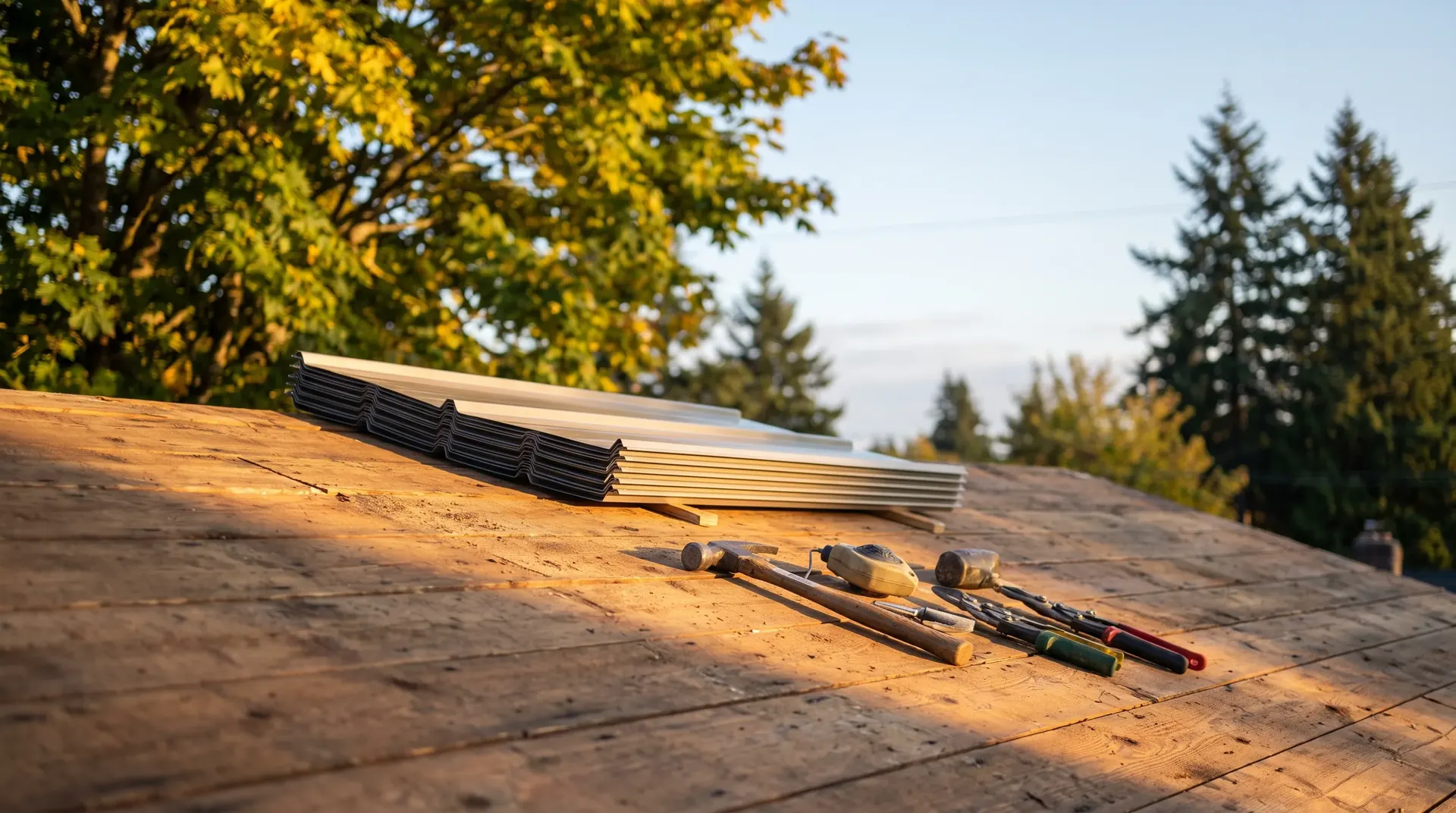
Tear off needs a dry enough window, because the house is genuinely open during it, and that is planned around rather than gambled on. Once the underlayment is down the building is protected, and panel installation is far less weather sensitive than it sounds. Metal does not need warm temperatures to bond or cure the way some materials do. Cold, still, dry days are perfectly good working conditions and the crew is more comfortable than in August.
What actually stops work is wind, not rain. Handling large panels in a gust is dangerous and it is the main reason a winter job gets pushed a day.
The genuinely bad windows
Two of them, and they are worth planning around.
Deep winter wind events. Fraser outflow comes down the valley in cold snaps and lands hardest out toward Lynden and the eastern part of the county. Panels do not get handled in that. Expect a job in January to have weather days in it, and expect an honest contractor to tell you so at the estimate rather than after.
The first real autumn storms. Late October into November tends to produce the year’s first sustained wind and rain, and it also produces the year’s first wave of emergency leak calls. Scheduling capacity gets tight in a way that has nothing to do with demand for planned work.
What actually moves the price more than the season
Season is a modest lever. These are the large ones.
- Roofline complexity. Dormers, valleys, chimneys, skylights and every other penetration. Complexity moves a metal roof price further than square footage does, because each one is a flashing detail rather than a run of panel.
- What is found at tear off. Soft sheathing is the common surprise. A stated deck repair allowance in the estimate is a sign of an honest quote, not a padded one.
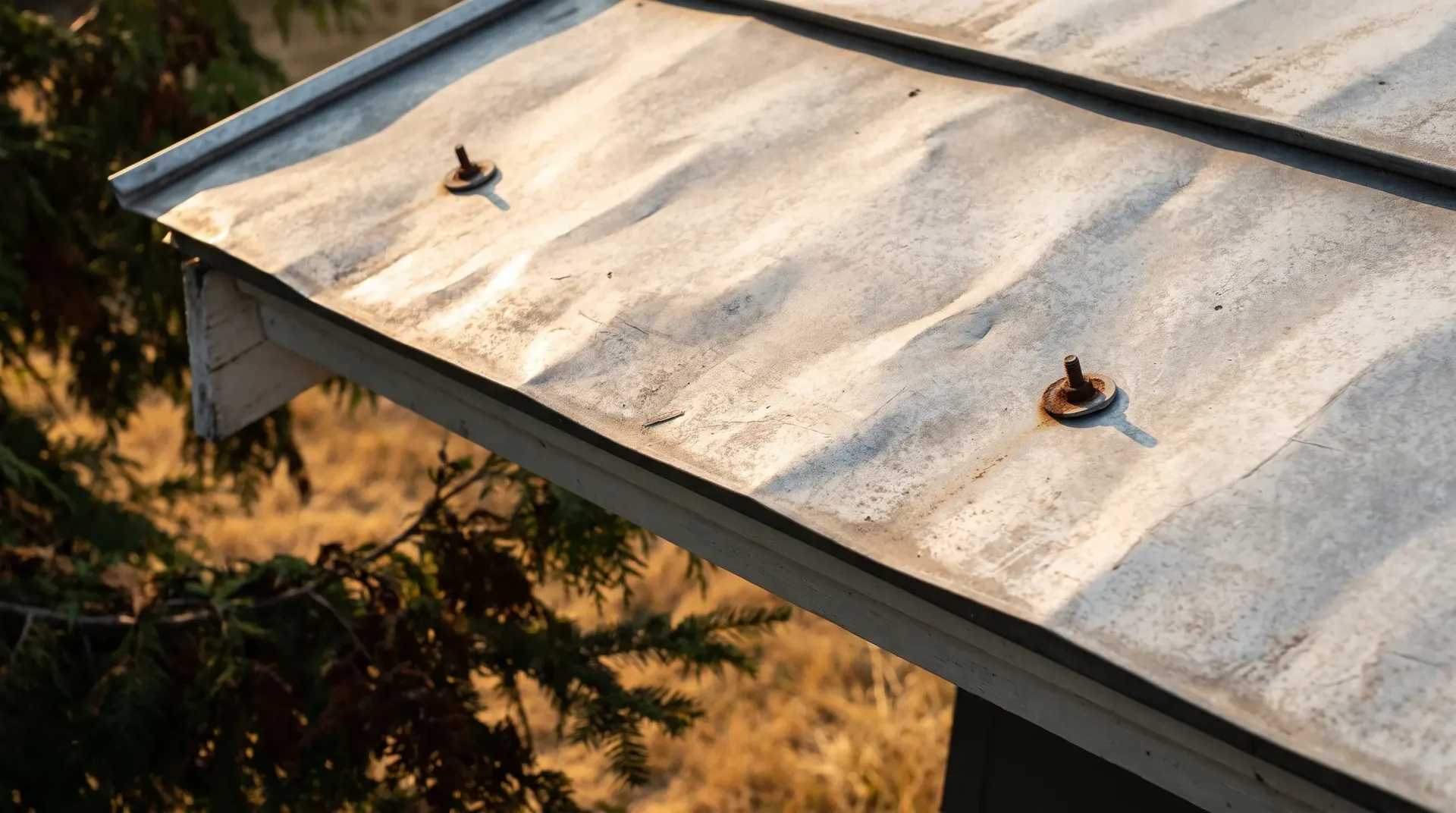
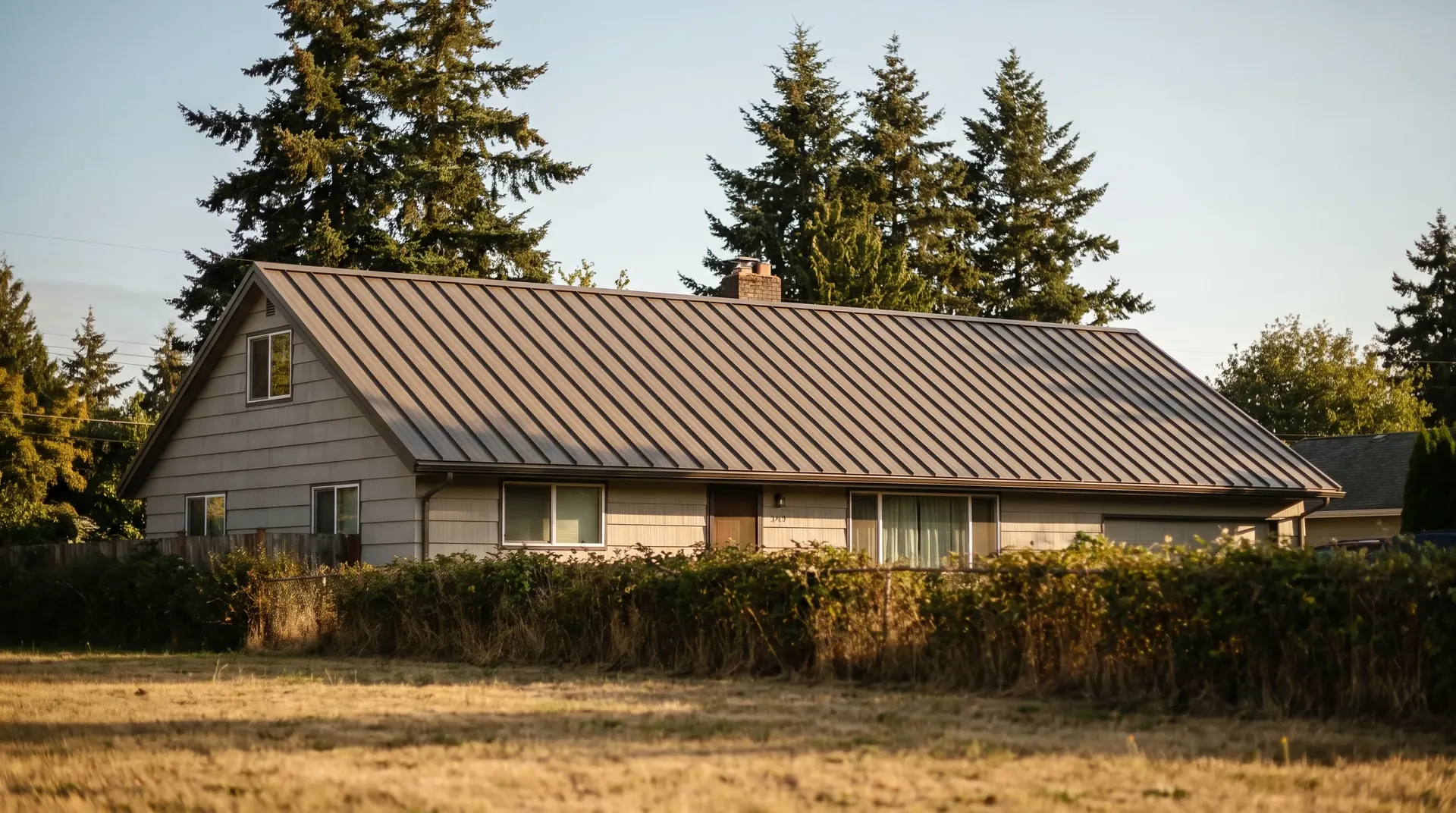
- Panel system. Standing seam against exposed fastener is a much larger difference than any seasonal discount.
- Lead time on panels. Standing seam panels are often cut to your run lengths, so ordering has a real lead time. Booking off season frequently means the lead time costs you nothing because you were not in a hurry anyway.
Those four are the reason two metal roof replacement quotes on the same house can be thousands apart and both be honest.
When to just wait
Sometimes the correct answer is not this year.
If the roof has genuine life left, replacing it early is a loss that no seasonal discount recovers. If the budget currently stretches to a cheap metal roof rather than a properly detailed one, waiting a year and doing it once is a better decision than doing it twice. And if you are selling within a few years, the money does not come back to you and this is a conversation about presentation rather than value.
We would rather tell you that at the estimate than take the booking.
When to get it looked at
Ahead of when you think you need to. A roof looked at in autumn can be planned, scheduled into a good window and priced without urgency. The same roof looked at when water is coming through the ceiling in November gets none of those advantages.
If you are budgeting rather than buying, say so when you call. A written condition report telling you roughly how long you have is a more useful thing to own than a quote you are not ready to accept.